Injury in a home
A family needs a room cleaned after a serious injury, with carpet and pad affected beyond what household cleaning can address.
A Denver metro guide to biohazard cleanup
When a property has been contaminated with blood, bodily fluids, or other biological material, cleanup has to be thorough, safe, and handled with care for the people affected.
This website is a draft preview. No phone line or request form is connected yet.
Blood and other bodily fluids can carry bloodborne pathogens, and they soak into porous materials like carpet, padding, upholstery, mattresses, drywall, and subfloor in ways that surface cleaning can't reach.
Proper cleanup removes contaminated materials, cleans and disinfects what remains, and disposes of waste according to applicable regulations.
These situations are also often painful for the people involved. A good provider works with discretion and keeps families or property managers informed without asking them to be present for the work; ask how that will be handled.
Before you hire anyone, ask what training the workers hold (such as OSHA bloodborne pathogens or 40-Hour HAZWOPER) and ask to see it.
Blood or bodily fluids from an accident or injury in a home, vehicle, or business.
Sewage contamination inside occupied spaces.
Decomposition from an unattended death or a large dead animal that contaminated building materials.
Other biological contamination where porous materials may need removal.
A family needs a room cleaned after a serious injury, with carpet and pad affected beyond what household cleaning can address.
A property manager needs contaminated flooring and drywall removed and the unit restored before it can be re-rented.
A business needs a professionally cleaned and documented restroom after a sewage and biological contamination event.
What material is present (blood, bodily fluids, sewage, other biological waste) and which surfaces and materials it reached. That decides the protective equipment, methods and disposal route.
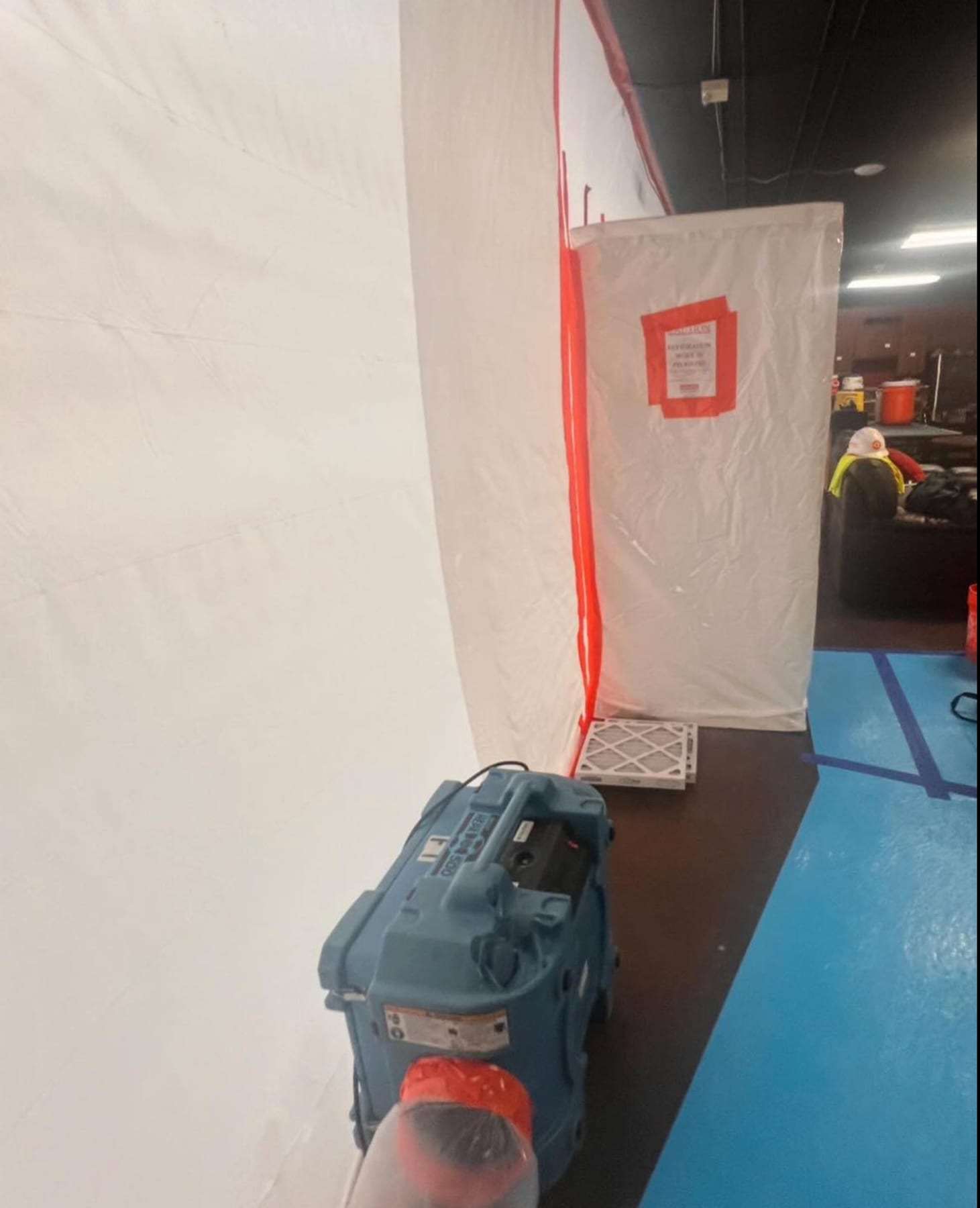
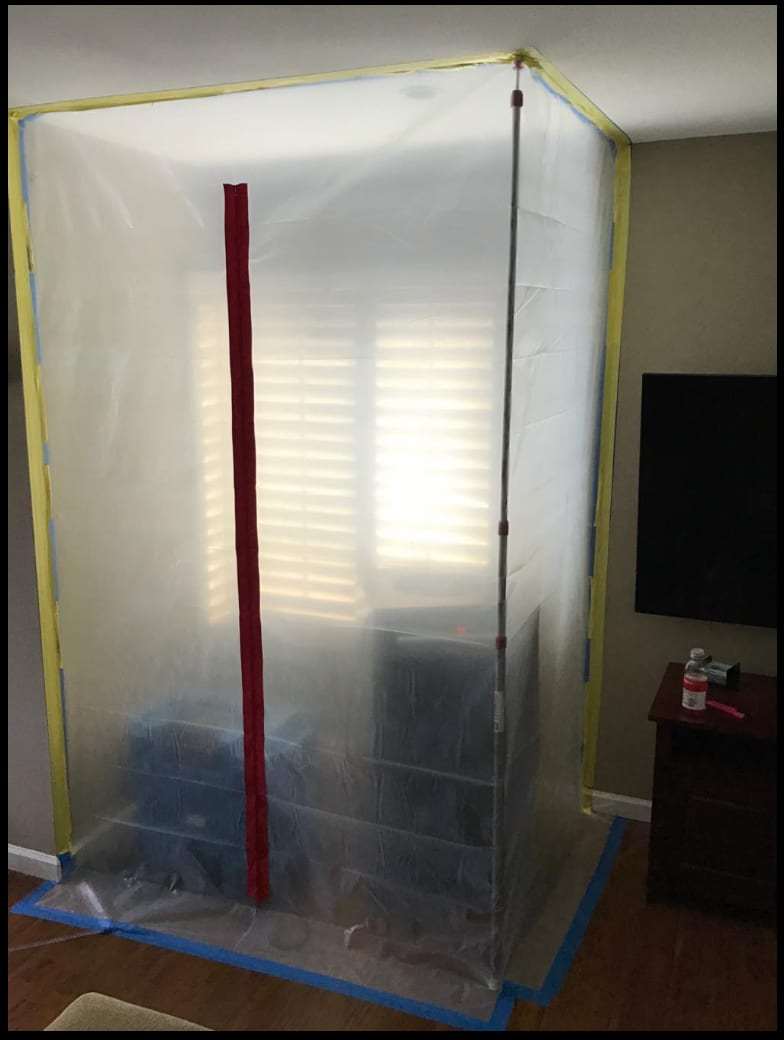
Workers wear protective equipment chosen for the hazard. The area is isolated so contamination isn't carried into clean rooms.
Porous items that absorbed contamination are removed. Hard surfaces are cleaned and then disinfected with products registered for the purpose.
Regulated waste is packaged and labeled for transport by a licensed handler to an approved facility, not put in household trash.
Ask whether workers hold bloodborne pathogens or 40-hour HAZWOPER training, and get the scope and disposal arrangements confirmed in writing for your job.
Each job is scoped individually based on what's present and what it has contaminated.
The extent of contamination is determined, including which materials are affected beneath surfaces.
The area is isolated, and workers wear appropriate personal protective equipment throughout.
Contaminated porous materials are removed and packaged for proper disposal.
Remaining surfaces are cleaned and disinfected with products appropriate for the contamination.
Removed materials are repaired or replaced so the space can be used again.
These calls usually come at a hard time. You should be able to talk to a person, not a script. Ask who will see the details of what happened; they should be shared only with those who need them to do the work or handle an insurance claim. Ask whether arrival and work can be arranged to draw as little attention from neighbors as practical.
ZIP codes served: 80203 (Denver), 80218 (Denver), 80202 (Denver), 80205 (Denver), 80206 (Denver), 80204 (Denver), 80209 (Denver), 80211 (Denver), 80223 (Denver), 80216 (Denver), 80220 (Denver), 80246 (Denver), 80207 (Denver), 80212 (Denver), 80219 (Denver), 80214 (Denver), 80210 (Denver), 80230 (Denver), 80224 (Denver), 80221 (Denver), 80222 (Denver), 80266 (Denver), 80226 (Denver), 80238 (Denver), 80247 (Denver), 80010 (Aurora), 80232 (Denver), 80110 (Englewood), 80113 (Englewood), 80236 (Denver), 80033 (Wheat Ridge), 80030 (Westminster), 80231 (Denver), 80215 (Denver), 80003 (Arvada), 80002 (Arvada), 80045 (Aurora), 80227 (Denver), 80229 (Denver), 80237 (Denver), 80012 (Aurora), 80235 (Denver), 80239 (Denver), 80260 (Denver), 80004 (Arvada), 80014 (Aurora), 80123 (Littleton), 80249 (Denver).
Also nearby: 80121, 80031, 80120, 80111, 80011, 80228, 80005, 80122, 80233, 80017, 80419, 80640, 80234, 80021, 80015, 80013, 80112, 80241, 80128, 80129, 80401, 80022, 80126, 80020, 80007, 80453, 80465, 80130, 80124, 80454, 80018, 80019, 80602, 80023, 80016, 80127, 80457, 80125, 80601, 80131, 80403, 80026, 80134, 80137, 80108, 80516.
Biohazard cleanup is needed in homes, rentals, vehicles, and businesses across the Denver metro area. Because these situations vary so much, a first call usually starts with a conversation about what happened and what's needed, and a reputable company should tell you if a situation is outside its services.
Some specialized contamination is regulated separately in Colorado. For example, cleanup of properties used for methamphetamine production must be performed by contractors certified under the Colorado Department of Public Health and Environment's program, and this site does not advertise that service.
Biohazard cleanup should be done by people trained for it. Whoever you call, these questions should get clear answers:
Plain reading and practical tools for the decisions that come after a hard day.
These articles are written for people facing something hard: a death at home, an injury, a tenant emergency, a hoarded house.
These worksheets are meant to be used at the kitchen table, often while tired and upset.
Each case here is invented.
A biohazard in a 1920s Capitol Hill walk-up raises different questions than one in a Highlands Ranch two-story or a Westminster tri-level.
This form is not connected. This website is a draft preview: no business has been confirmed to receive requests, so the fields below are switched off and nothing can be sent. In an emergency, call 911.
Small amounts on hard, nonporous surfaces can sometimes be cleaned with gloves and an appropriate disinfectant. Larger amounts, or any contamination of carpet, upholstery, or other porous materials, should be handled by trained professionals because of bloodborne pathogen risks.
Some homeowners, renters, and commercial policies cover biohazard cleanup depending on the cause. Check your policy or ask your agent.
Usually not. Many families and property managers provide access and aren't present for the work. Ask how you'll be kept informed.
Contaminated materials are packaged and disposed of according to applicable regulations for the type of waste.
No. Meth lab decontamination in Colorado requires contractors certified under a specific state program. This guide does not cover that work; ask CDPHE for a list of certified contractors.
Usually. Ask about discretion when you call, such as timing, unmarked vehicles or vehicle placement, and communication.
Usually not. Many families prefer not to be. Access can often be arranged through a relative, property manager or landlord; ask the provider to contact you when the work is finished and the space is ready to see.
Concerns people raise, answered plainly
Call 911 first if there is an emergency or a possible crime scene. Keep others out of the area, check your insurance policy, and choose a trained provider you have checked and who explains the process plainly.